How to Sell a Pawn Shop: What Your Business Is Actually Worth
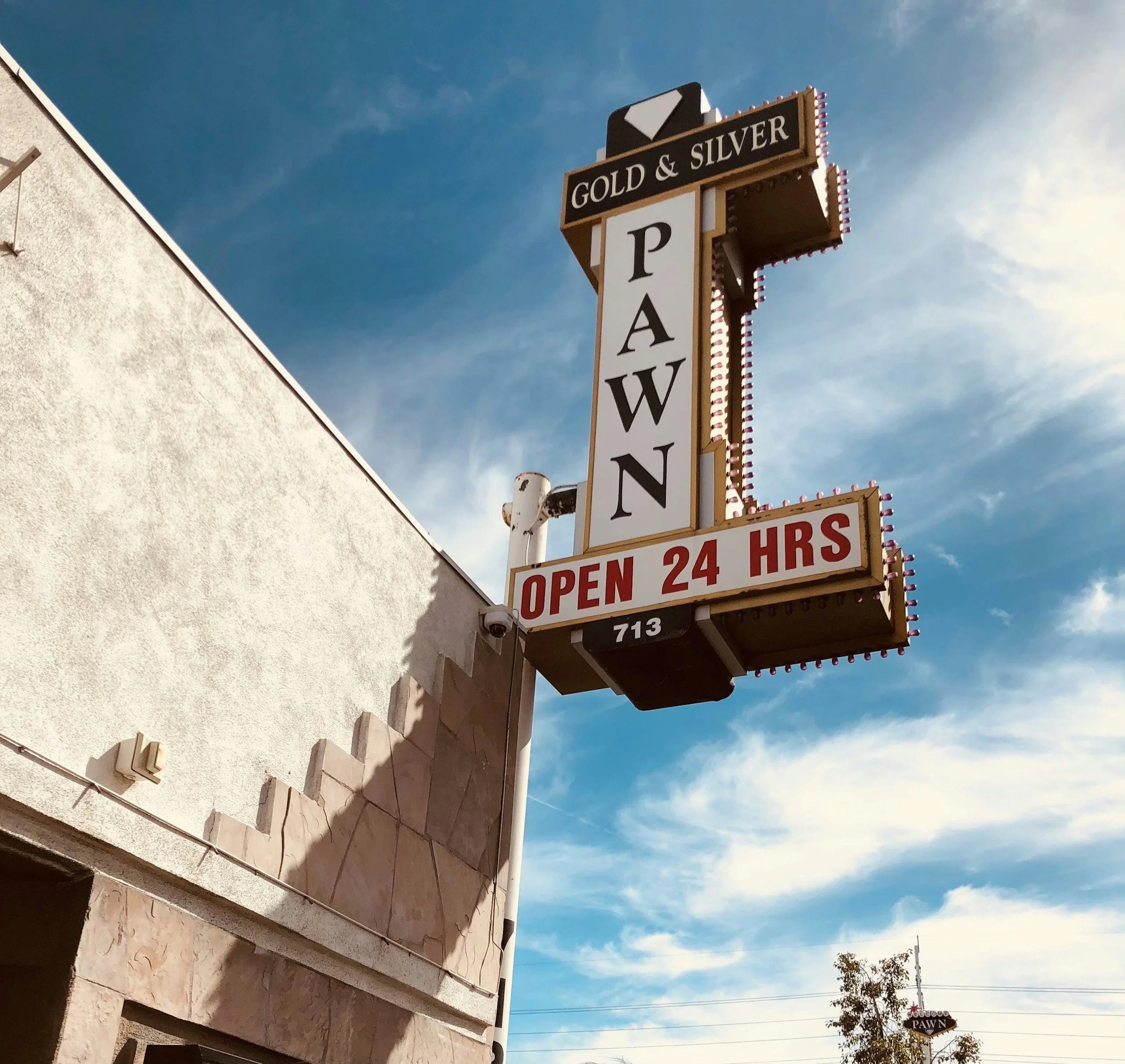
Photo by Arya Dubey
Pawn shops don't come up for sale very often. When a good one hits the market, with clean books, strong loan income, and an established customer base, serious buyers pay attention. That's worth understanding before you decide to sell yours.
The challenge is that most pawn shop owners have no real frame of reference for what their business is worth or how a sale actually unfolds. The financials are more complex than a typical retail business. The licensing situation adds a layer most sellers don't anticipate. And the buyer pool is smaller than you'd expect, for reasons that have nothing to do with demand and everything to do with how lenders view the industry.
None of that makes your pawn shop harder to sell. It makes it more important to go in prepared.
This guide covers how pawn shops are valued, what buyers are actually looking for, and the specific obstacles that tend to slow deals down when sellers aren't ready. Licensing, financing, and cash revenue documentation are the big three. If you own a pawn shop in North or South Carolina and you're thinking about what an exit looks like, this is a good place to start.
Quick Summary
What to know before selling your pawn shop
- Pawn shops sell for 2x to 9x SDE depending on earnings quality, loan book strength, and inventory liquidity
- Pawn licenses in NC and SC do not transfer — buyers must apply for their own before operating
- SBA financing is largely unavailable for pawn shop acquisitions, which narrows the buyer pool
- Clean financial documentation is the single biggest factor in attracting qualified buyers
- Multiple revenue streams, retail, loan interest, and scrap buying, increase value at exit
- Most sales take six to twelve months, longer if licensing approval runs slow
Why do pawn shops sell well compared to other small businesses?
Pawn shops are genuinely attractive acquisition targets, and the reason comes down to scarcity. Licensing and zoning restrictions limit how many can operate in a given market, which means a well-run pawn shop isn't something a buyer can simply replicate down the street. When one comes up for sale, especially one with clean books and strong loan income, it tends to generate real interest.
The business model helps too. Most pawn shops run two revenue streams simultaneously, retail sales and interest income from active loans, which gives buyers more confidence in the earnings than they'd get from a single-revenue business. That diversification is a selling point, and experienced buyers recognize it.
Where pawn shops get more complicated than a typical Main Street sale is in three specific areas: the loan book, the inventory, and the licensing. Each one requires more preparation than sellers usually expect, and each one can affect your timeline and your price if you're not ready for it. The sections below break down exactly what to expect in each area so you can get ahead of them before you go to market.
How is a pawn shop valued?
Limited recurring income
Hard to underwrite
Buyer discount likely
Key person risk
Lower scarcity value
Adds closing risk
Multiple income streams
Easy to underwrite
Liquid and credible
Transferable operation
Scarcity drives value
Reduces buyer risk
Pawn shops are valued on a multiple of Seller's Discretionary Earnings, or SDE, which represents the total financial benefit the business provides to its owner each year. If you're not familiar with how SDE is calculated, our guide on SDE vs. EBITDA breaks it down in plain terms.
The multiple applied to that SDE is where pawn shops get interesting. The range is wide, typically somewhere between 2x and 9x, and where your shop lands depends on a handful of factors that buyers weigh carefully.
At the lower end of the range, you'll find shops that are heavily retail-dependent, have inconsistent financials, or carry inventory that's hard to liquidate. At the higher end, you'll find shops with strong, documented loan income, clean books, a restricted license in a market that limits new competition, and an operation that doesn't depend entirely on the owner showing up every day.
The loan book is the biggest variable. Interest income from active loans is recurring and relatively predictable, which buyers and lenders treat more favorably than one-time retail transactions. A shop where loan income represents a meaningful share of total revenue will almost always command a higher multiple than one where the owner primarily buys and resells merchandise.
Inventory valuation is a separate conversation. Buyers will typically want an independent appraisal of the physical inventory, and they'll discount anything that's slow-moving or difficult to price. Jewelry and firearms tend to hold value well. Specialty electronics and niche collectibles are harder to underwrite.
Shops that operate a scrap or precious metals buying program have an additional revenue stream worth highlighting separately. Scrap gold, silver, and copper buying tends to be high-margin and transactional, meaning it doesn't require the same inventory carrying costs as retail merchandise.
Buyers who understand the category will credit this income appropriately in their underwriting. Buyers who don't will need it explained clearly, which is another reason having a broker who knows the pawn industry matters.
The honest answer on valuation is that no two pawn shops are priced the same way. The multiple reflects the quality and stability of the earnings, and the story those earnings tell about the business.
What do buyers of pawn shops actually look for?
Buyers who pursue pawn shops are not your typical Main Street buyer. The financing landscape shapes who shows up, and understanding that changes how you prepare for the sale.
Most first-time buyers rely on SBA loans to fund an acquisition. Pawn shops are one of the few business types that SBA and many conventional lenders won't finance, primarily because of the cash-intensive nature of the business and the difficulty lenders have verifying historical revenue. That restriction quietly eliminates a large portion of the buyer pool before you ever go to market.
The buyers who remain tend to fall into a few categories. Existing pawnbrokers looking to expand are often the most qualified, since they understand the business model, already hold licenses in their state, and can move quickly through due diligence. Cash buyers and self-funded searchers are another segment, typically individuals with liquidity who are specifically looking for businesses that don't compete with SBA buyers. Seller financing also comes up more often in pawn shop deals than in other categories, sometimes as the primary structure and sometimes as a bridge that makes a deal work for both sides.
What all of these buyers share is a focus on verified earnings. Because lenders are largely out of the picture, buyers are doing their own underwriting, and they'll scrutinize your financials more carefully than a buyer who has a bank doing it for them. Clean books, documented loan income, and a clear separation between business and personal expenses aren't just nice to have. They're what determines whether a qualified buyer makes an offer or walks away.
What happens to a pawn shop license when you sell?
This is the question most sellers don't think to ask until they're already under contract, and it's one of the most important parts of the process to understand early.
Pawn licenses in North and South Carolina are issued at the state level and are not transferable. When your business sells, the buyer cannot simply assume your license and open the doors under new ownership. They have to apply for their own license, go through the approval process, and receive clearance before they can legally operate as a pawnbroker.
That process takes time. Depending on the municipality and how smoothly the application moves, you're looking at anywhere from a few weeks to several months. In some cases, local zoning approvals add another layer on top of the state license application. The result is that even after a buyer and seller have agreed on price and terms, the closing timeline has to account for licensing in a way that most other business sales don't.
The practical implication for sellers is straightforward. Get clarity on your local licensing requirements before you go to market, not after you find a buyer. Know what the application process looks like in your county. And build realistic expectations into your timeline from the start, because a buyer who is surprised by a three month licensing delay is a buyer who starts renegotiating.
A good broker who knows the pawn industry will flag this in the early stages and help structure the deal in a way that accounts for the licensing timeline without putting either party in a difficult position.
How do you prepare a pawn shop for sale?
Preparation is where most of the value in a pawn shop sale is either captured or left on the table. The businesses that sell quickly and at strong multiples are almost always the ones where the owner spent time getting their house in order before going to market.
The starting point is your financials. Because pawn shops operate with significant cash volume, buyers and their advisors will look closely at how well your revenue is documented. Point of sale records, loan ledgers, scrap purchase logs, and tax returns all need to tell a consistent story. Gaps or inconsistencies between what the business actually earns and what can be verified on paper are the single biggest reason pawn shop deals fall apart in due diligence.
Separating your personal expenses from business expenses is equally important. Many owner-operators run personal costs through the business, which is common across small businesses generally, but those add-backs need to be clearly identified and documented so a buyer can accurately calculate SDE. An accountant familiar with business sales can help you prepare a clean recast of your financials before you bring the business to market.
Your loan book needs to be current and organized. Buyers will want to see the full picture of what's on the street, the age of active loans, redemption rates, and how much of that income is realistically collectible. A loan book that's well-maintained signals operational discipline and makes the income easier to underwrite.
Inventory should be appraised by an independent third party if possible, particularly for high-value categories like jewelry, firearms, and precious metals. Having a credible appraisal in hand removes one of the main points of negotiation and gives buyers confidence in the asset value they're acquiring alongside the business.
Finally, pull your compliance documentation together early. State and local pawn regulations require transaction records, reporting to law enforcement, and in some cases hold periods on purchased items. Buyers will confirm you're operating cleanly, and having that documentation organized in advance keeps due diligence moving.
What mistakes do pawn shop owners make when selling?
The most expensive mistakes in a pawn shop sale usually happen before a seller ever talks to a buyer. They happen in the decisions made about timing, pricing, and who to trust with the process.
The first is accepting an unsolicited offer. Pawn shop owners occasionally get approached directly by competitors or consolidators who make an offer before the business is formally listed. Those offers are almost never in the seller's best interest. A buyer who approaches you directly is doing so because they believe they can acquire the business below market value before you know what it's worth. Getting a professional valuation before any conversation about price is the simplest way to protect yourself.
The second is pricing based on inventory replacement value rather than earnings. Sellers sometimes anchor their asking price to what it would cost to rebuild the inventory from scratch, which is not how buyers think about value. Buyers are buying a cash flow stream. The inventory matters, but it's a component of the valuation, not the foundation of it.
The third is underestimating how much the cash nature of the business affects the sale. Sellers who haven't kept clean records sometimes assume buyers will take their word for what the business earns. They won't. And the lenders who might otherwise help finance the deal largely won't participate in the category to begin with. The burden of proof on revenue falls almost entirely on the seller, which is why documentation matters so much more in a pawn shop sale than in most others.
The fourth is waiting too long. A pawn shop that's declining, whether in loan volume, foot traffic, or owner attention, is a harder sell than one that's still performing well. The best time to explore a sale is when the business is healthy, not when you're already ready to be done with it.
How long does it take to sell a pawn shop?
The honest answer is longer than most sellers expect, and the licensing situation is the primary reason.
A typical Main Street business sale takes somewhere between six and twelve months from the time it goes to market to the time it closes. Pawn shops can fall within that range, but the licensing approval process for the buyer adds time that isn't present in most other deals. Depending on the state, county, and how cleanly the buyer's application moves through the system, licensing alone can add one to three months to the back end of a transaction.
The preparation phase matters too. Sellers who come to market with clean financials, an organized loan book, and current compliance documentation move through the process faster than those who have to clean things up after a buyer is already engaged. Every week spent organizing records during due diligence is a week the deal sits still, and deals that sit still have a tendency to fall apart.
Buyer financing adds another variable. Because SBA and conventional lenders largely don't participate in pawn shop transactions, deals are more dependent on cash buyers or seller financing structures, both of which have their own timelines. A self-funded buyer moves differently than one waiting on a loan commitment.
The sellers who close the fastest are the ones who treat preparation as part of the sale process, not a prerequisite to starting it. If you're thinking about selling in the next one to two years, the time to start getting organized is now, not when you decide you're ready to list.
A Final Thought
Selling a pawn shop is not out of reach. The business model is attractive to the right buyers, the scarcity of well-run shops works in a seller's favor, and owners who prepare properly tend to come out of the process with strong results.
What separates a smooth sale from a frustrating one is almost always preparation. Clean financials, an organized loan book, documented scrap and interest income, and a clear understanding of the licensing timeline are the things that give buyers confidence and keep deals moving. Buyers in this category are doing their own underwriting, and the sellers who make that process easy are the ones who close.
If you own a pawn shop in North or South Carolina and you're thinking about what an exit looks like, we'd love to have that conversation. We work exclusively with sellers, which means our job is to help you understand what your business is worth, find the right buyer, and get to closing on terms that make sense for you.
Getting started is simple. Reach out to us and we'll walk you through a free valuation of your pawn shop, no pressure, no obligation, just a clear picture of where you stand and what your options are.
Frequently Asked Questions
How much is a pawn shop worth?
Pawn shops are valued on a multiple of Seller's Discretionary Earnings, or SDE. The range runs from 2x on the low end to 9x for top-performing shops.
Where a business lands depends on the strength and documentation of its loan income, the quality and liquidity of its inventory, whether it runs additional revenue streams like scrap and precious metals buying, and how much the business depends on the owner to operate day to day.
Can you get an SBA loan to buy a pawn shop?
In most cases, no. SBA and many conventional lenders decline to finance pawn shop acquisitions because of the cash-intensive nature of the business and the difficulty verifying historical revenue.
This narrows the buyer pool to cash buyers, self-funded searchers, and deals structured with seller financing.
It also means sellers need to have especially clean financial documentation, since buyers are doing their own underwriting without a lender to assist.
How long does it take to sell a pawn shop?
Most pawn shop sales take between six and twelve months from listing to close, though the timeline varies depending on how prepared the seller is and how quickly the buyer's licensing application moves through state and local approval.
Sellers with organized financials, a current loan book, and clean compliance documentation consistently close faster than those who have to address those items after a buyer is engaged.
Do pawn shop licenses transfer when a business is sold?
No. Pawn licenses in North and South Carolina are issued to the individual operator and are not transferable to a new owner.
When a pawn shop sells, the buyer must apply for their own license and receive approval before they can legally operate the business.
Depending on the county and municipality, that process can add one to three months to the closing timeline, which is why understanding the licensing situation early is an important part of sale preparation.
What do buyers look for when buying a pawn shop?
Qualified pawn shop buyers focus primarily on verified earnings. Because traditional financing is largely unavailable in this category, buyers are underwriting the deal themselves and will scrutinize financial records closely.
Beyond the financials, buyers look at the strength of the loan book, the quality and liquidity of inventory, the transferability of the license, lease terms, and how dependent the business is on the current owner.
Shops with multiple revenue streams, including retail, loan interest, and scrap buying, tend to attract the most interest.