How to Sell a Convenience Store: What Carolina Owners Need to Know
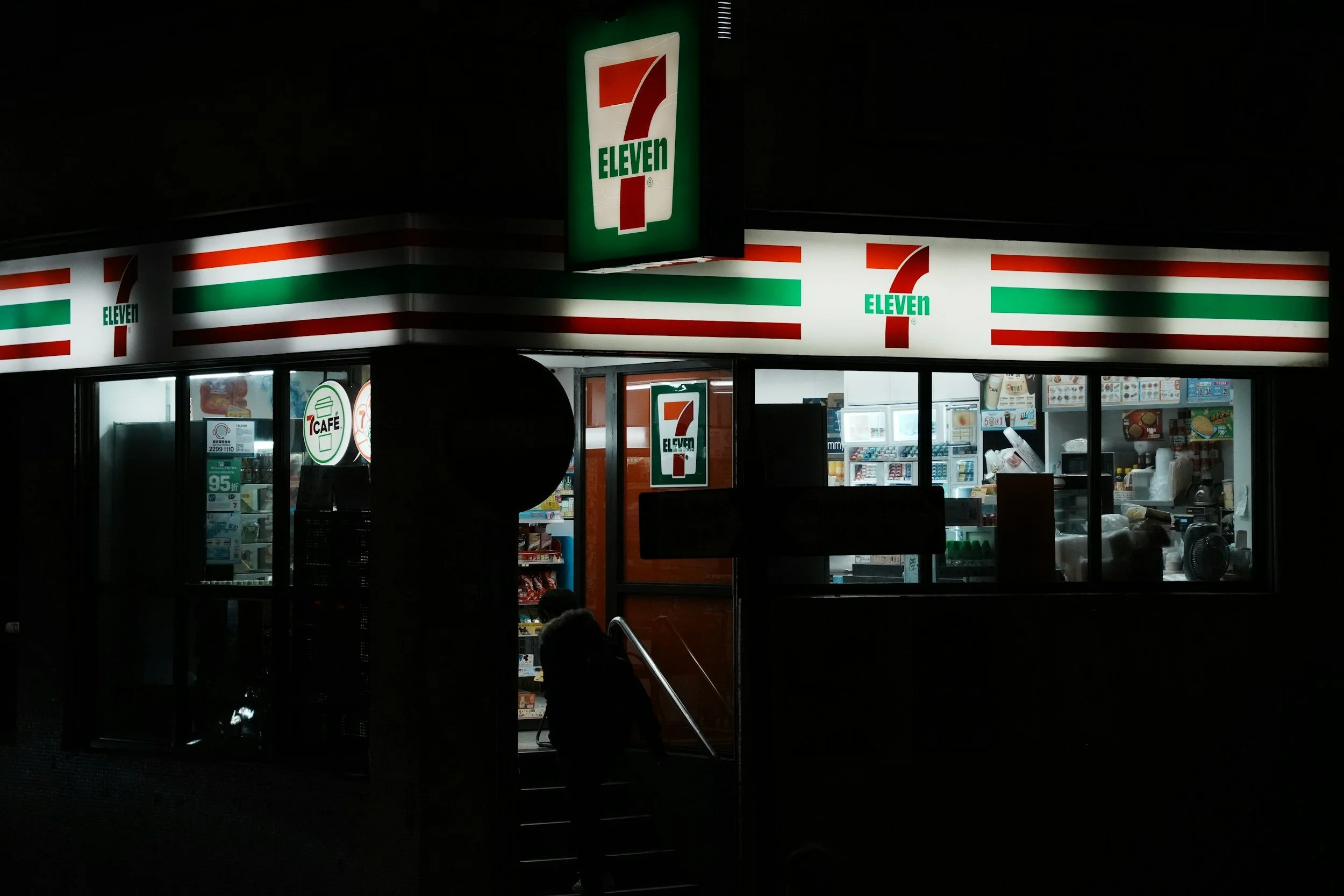
Photo by Johnny Ho
Convenience stores sell well when they are prepared correctly and priced honestly. They sit on the market (sometimes for years) when they are not. The difference between the two outcomes usually has nothing to do with how good the business is and everything to do with how well the seller understood what a buyer and their lender were going to find when they looked under the hood.
If you own an independent c-store in the Carolinas and are starting to think about an exit, the most useful thing you can do right now is get an honest picture of where your business stands. The financials, the lease, the environmental situation if you have fuel, and what a buyer is actually going to pay for what you have built. That picture, understood early enough to do something about it, is what determines your outcome.
What Is Your Convenience Store Actually Worth?
The honest answer depends on whether you have fuel, how clean your books are, and what your lease looks like. Those three factors move the number more than almost anything else.
For a fuel-free independent c-store, most Carolina transactions fall somewhere in the 2x to 3.5x SDE range. A well-run store with clean financials, a strong lease, diversified inside sales, and documented operations can push toward the top. A store with inconsistent books, heavy owner dependency, and a lease coming due in two years lands near the bottom.
For stores with fuel, the conversation shifts toward EBITDA rather than SDE, and the multiple range is wider because the variables are more complex. Fuel volume, the supply agreement, the environmental history, and whether real estate is included all affect the number significantly. A fuel c-store with owned real estate, a clean environmental record, and a long-term branded fuel supply agreement commands meaningfully more than one with leased property and a tank situation that has not been assessed.
The SDE multiple ranges here are a starting point. Our business valuation calculator and SDE vs EBITDA breakdown are both worth reviewing before you build any expectations around a number.
Does Having Fuel Change How My Store Is Valued?
Yes, significantly. A convenience store with fuel and one without are two different transactions from a buyer's perspective, a lender's perspective, and a due diligence perspective. Understanding which one you are selling matters before you set an asking price or talk to anyone.
A fuel-free c-store is a simpler transaction. The valuation is driven almost entirely by inside sales, the buyer pool includes a wider range of first-time buyers, and SBA financing is more straightforward. The due diligence process focuses on financials, lease, and operations. There is no environmental component, no fuel supply agreement to review, and no tank inspection to navigate.
A fuel c-store is a more complex sale with more variables that can move the price in both directions. Fuel itself typically operates on thin margins and is valued primarily for the customer traffic it drives into the store. What matters to a buyer is the inside sales those fuel customers generate, the terms of the fuel supply agreement, and whether the property has a clean environmental history.
A long-term branded supply agreement with a major fuel company adds real value. An environmental issue with underground storage tanks can stop a deal entirely or require significant remediation before closing.
The buyer pool is also different. Fuel c-stores attract experienced operators looking to add a location, fuel distributors acquiring retail sites, and investors with specific knowledge of the category. First-time buyers using SBA financing can acquire fuel c-stores but lenders scrutinize them more carefully, particularly around environmental compliance and cash flow documentation.
If you have fuel, the environmental conversation needs to happen early. The next section covers exactly why.
What Is the Environmental Issue With Selling a Convenience Store With Fuel?
Underground storage tanks are the single most common deal killer in convenience store transactions and the issue most sellers discover too late. If your store has fuel, the environmental history of your tanks is something a buyer and their lender will investigate thoroughly during due diligence. Getting ahead of that investigation before you list is one of the most important things you can do.
Here is the core issue. Underground storage tanks that have leaked, or are suspected of having leaked, create environmental liability that transfers with the property. A buyer who acquires a store with an unresolved tank contamination issue inherits that liability. Lenders will not finance an acquisition on a property with known contamination. That combination stops deals cold, often after months of process on both sides.
The practical step is a Phase I Environmental Site Assessment. A Phase I is a review of the property's history, current conditions, and regulatory records to identify any recognized environmental conditions. It does not involve soil sampling or physical testing but it does surface any documented issues, prior spills, or regulatory actions associated with your tanks. Most serious buyers will require one before closing. Getting one done before you list puts you in control of what it shows rather than being surprised by it.
If a Phase I identifies concerns, a Phase II assessment involves actual soil and groundwater testing to determine whether contamination exists and to what extent. This is where costs can escalate and timelines extend. A Phase II finding does not automatically kill a sale but it requires a remediation plan, a cost estimate, and a clear understanding of who bears that cost in the transaction.
A few things worth knowing specific to the Carolinas:
North Carolina's Underground Storage Tank Section within the Department of Environmental Quality oversees UST compliance and maintains records of prior incidents at your site. Reviewing your site's regulatory history before listing is worth doing.
South Carolina's UST program is managed through the Department of Environmental Services. If your tanks have been upgraded to modern double-walled construction and you have a clean compliance record, that is a genuine selling point worth documenting and presenting to buyers.
Tank age matters. Older single-walled tanks are a concern for buyers and lenders regardless of whether there is a documented incident. Modern double-walled tanks with leak detection significantly reduce perceived risk.
If your environmental situation is complicated, a broker experienced in fuel c-store transactions in the Carolinas is worth talking to before you decide on timing. Some situations are manageable with the right preparation. Others genuinely affect what the store can sell for and need to be priced in from the start.
Why Does the Cash-Intensive Nature of a C-Store Matter When Selling?
Convenience stores handle more cash than almost any other Main Street business category. That reality has implications for how a buyer and their lender evaluate your financials — and it is one of the most common reasons c-store transactions stall in due diligence.
SBA lenders are trained to scrutinize cash-intensive businesses carefully. The concern is straightforward: cash that does not make it into the bank does not show up on financial statements, and financial statements are what a lender uses to determine whether the business can service the debt after acquisition. A store reporting $400,000 in annual revenue that a buyer suspects is actually doing $550,000 creates a trust problem that is very difficult to recover from once it surfaces.
This does not mean your books need to be perfect. It means they need to be defensible. Three years of financials where reported revenue reconciles consistently with bank deposits, POS data, and lottery commission reports tells a lender a coherent story. Gaps between what the POS system shows and what the tax returns report (even if there is a legitimate explanation) invite questions that slow deals down and sometimes end them.
A few practical steps worth taking before you list:
Reconcile your POS sales data against your bank deposits for the trailing three years
Make sure your lottery commission reports, tobacco rebate statements, and ATM income are all documented and accounted for in your financials
If you have been running personal expenses through the business, document them clearly as add-backs with supporting records
Work with your accountant to prepare clean formal financial statements rather than relying on raw POS exports or QuickBooks printouts
The c-store sellers who move through SBA underwriting without friction are the ones whose reported income and actual bank deposits tell the same story across every document a lender touches. Getting those documents aligned before you go to market is one of the highest-leverage things you can do.
How Do You Get Your Financials Ready to Sell a Convenience Store?
The financial preparation for selling a c-store follows the same fundamentals as any business sale, with a few category-specific considerations that are worth understanding before you pull your first document together.
Three years of profit and loss statements, tax returns, and bank records that reconcile cleanly across all three is the baseline. For a c-store, clean reconciliation is harder to achieve than in most business types because of the cash volume, the multiple revenue streams, and the mix of taxable and non-taxable sales. Getting those documents to tell a consistent story takes more work here than it does in most other categories and is worth starting well before you intend to list.
The add-backs in a c-store SDE calculation deserve specific attention. Owner salary, health insurance, personal vehicle expenses, and any personal items run through the business all go into the figure a buyer uses to value your store. Each one needs documentation. Beyond the standard add-backs, c-stores often have category-specific items worth capturing correctly:
Tobacco rebates and manufacturer incentives that flow directly to the owner
Lottery commissions documented separately from general sales
ATM surcharge income if you own the machine
Car wash revenue if the operation is included in the sale
Any fuel rebates or branded fuel program incentives
A buyer's accountant will look at every revenue line. Having each one clearly documented and explained before due diligence starts puts you in control of that conversation rather than responding to questions under deadline pressure.
For a deeper look at what due diligence actually involves and how to prepare for it, our guide to preparing your financials for due diligence covers the full picture.
What Should You Expect From Listing to Close on a Convenience Store?
The timeline for selling a c-store is similar to other Main Street businesses but the complexity points are different. Understanding where deals slow down in this category helps you plan for them rather than be surprised by them.
From listing to a signed LOI typically runs three to six months for a well-prepared seller with realistic pricing. From LOI to close runs another sixty to ninety days for most transactions. The full arc from listing to closing day is commonly nine to twelve months, sometimes longer if environmental issues, lease complications, or SBA underwriting challenges surface during the process.
Confidentiality is particularly important in c-store transactions. Your staff, your regular customers, and your vendors all interact with you daily. Word that the store is for sale can affect employee stability, vendor relationships, and customer patterns before you have a buyer in place. A broker handles this through a blind listing and requires buyers to sign a non-disclosure agreement before receiving any financial details.
The due diligence process for a fuel c-store is more involved than for most other business types. In addition to the standard financial review, buyers will verify fuel volume and margin data, review the supply agreement, confirm the environmental history of the tanks, and inspect the physical condition of the canopy, dispensers, and equipment. Having all of this organized and accessible before a buyer asks for it compresses the timeline meaningfully.
A few things that commonly extend timelines in c-store transactions:
Environmental assessments that surface issues requiring further investigation
SBA underwriting questions around cash-intensive revenue reconciliation
Lease assignments that require landlord negotiation
Fuel supply agreement transfers that require supplier approval
Lottery and tobacco license transfers that run through separate state processes
None of these are insurmountable with enough lead time. The sellers who close on schedule are the ones who identified each of these potential complications before they had a buyer waiting on them.
Selling a C-Store Well Starts Before You Think You Are Ready
The convenience store owners who walk away from a sale with the outcome they were hoping for almost always share one thing in common. They understood what a buyer was going to find before a buyer found it. Clean books, a clear environmental picture, a transferable lease, and a financial story that holds up under scrutiny — none of that comes together in the sixty days before listing. It comes together over the years before the conversation ever starts.
If you own a Carolina c-store and are starting to think about what an exit looks like, the most valuable thing you can do right now is get an honest read on where your business stands. What your financials actually show, what your lease says, what your tank situation looks like on paper, and what a buyer is realistically going to offer for what you have built.
We work with business owners across North and South Carolina to help them go to market prepared and get the outcome their business deserves. If you want to understand what your store is worth and what it would take to improve that number before you list, we are a good place to start.
Frequently Asked Questions
How do I sell my convenience store?
Selling a convenience store starts with getting your financials in order, understanding what your business is actually worth, and addressing any lease or environmental issues before you go to market. Most c-store sales take nine to twelve months from listing to close for a prepared seller.
Working with a broker who knows the local market handles confidentiality during the process, qualifies buyers before they see your financials, and guides the transaction through the specific complexities that come with convenience store sales.
What is a convenience store worth when selling?
For a fuel-free independent c-store, most Carolina transactions fall in the 2x to 3.5x SDE range. For stores with fuel, the conversation shifts toward EBITDA and the range widens depending on fuel volume, the supply agreement, environmental history, and whether real estate is included.
Clean financials, a strong lease, diversified inside sales, and documented operations push toward the top of the range. Inconsistent books, heavy owner dependency, and a lease coming due pull toward the bottom.
What makes a convenience store hard to sell?
The most common issues are inconsistent or unreconciled financials, an environmental situation with underground storage tanks that has not been assessed, a lease with limited remaining term or unclear assignment rights, heavy owner dependency, and revenue that has been declining in the trailing twelve months.
Any one of these is manageable with enough lead time. Several together significantly reduce the buyer pool and the achievable sale price.
What is a Phase I Environmental Site Assessment and do I need one?
A Phase I Environmental Site Assessment is a review of a property's history, current conditions, and regulatory records to identify any recognized environmental conditions associated with underground storage tanks. Most serious buyers will require one before closing on a fuel c-store.
Getting one done before you list puts you in control of what it surfaces rather than being surprised by it during due diligence. In North Carolina, the Underground Storage Tank Section maintains records of prior incidents at your site. In South Carolina, the SC Department of Environmental Services manages UST compliance and records.
Why do SBA lenders scrutinize convenience stores more carefully?
Convenience stores are cash-intensive businesses, which means a meaningful portion of revenue is handled in cash before it reaches the bank. SBA lenders scrutinize cash-intensive operations carefully because cash that does not make it into the bank does not appear on financial statements, and financial statements are what a lender uses to determine whether the business can service the debt after acquisition.
Three years of financials where reported revenue reconciles consistently with bank deposits and POS data is what moves an SBA underwrite forward without friction.
Does having fuel change how my c-store is valued?
Yes, significantly. A fuel c-store and a fuel-free c-store are two different transactions from a valuation, buyer pool, and due diligence perspective. Fuel itself operates on thin margins and is valued primarily for the customer traffic it drives inside.
What matters to a buyer is the inside sales that fuel customers generate, the terms of the fuel supply agreement, and whether the property has a clean environmental history.
A long-term branded supply agreement with a major fuel company adds real value. An unresolved environmental issue with underground storage tanks can stop a deal before it starts.
How long does it take to sell a convenience store?
From listing to a signed letter of intent typically takes three to six months for a prepared seller with realistic pricing. From LOI to close runs sixty to ninety days for most transactions. The full arc from listing to closing day is commonly nine to twelve months.
Fuel c-stores with environmental assessments, lease complications, or SBA underwriting questions around cash-intensive revenue can run longer.
Should I use a broker to sell my convenience store?
For most c-store owners, yes. A broker handles confidentiality during the sale, qualifies buyers before they see your financials, and guides the transaction through the specific complexities of a c-store sale including environmental assessments, fuel supply agreement transfers, lease assignments, and SBA underwriting.
If you are thinking about selling a convenience store in the Carolinas, we are a good place to start.